ANFACER - National Association of Ceramic Tile Manufacturers for Floor and Wall Tiles, Sanitary Ware and the Like


In 1922, the brothers João, Maurício, Segundo and José, sons of the Italian immigrant Carlos Buschinelli, founded the French tile company Carlos Buschinelli & Filhos. Over time, the family business was updated. During this time, there were some corporate divisions, and in 1994 João Aparecido Buschinelli, Carlo Buschinelli's grandson, founded Cerâmica Villagres with his family.
During all these decades, the company has always prioritized innovation and adapted to the demands of the market: it produced roof tiles for 50 years; moved on to extruded products, such as colonial flagstones; pressed ceramic floors until it reached porcelain tiles in 2007.
The brand credits its success over all these years to its defined business strategy and state-of-the-art technology. The products are designed to suit the most varied environments with excellence, efficiency and aesthetics
According to Decio Scartezini, Export Manager at Villagres, the company was a pioneer in commercial actions in the Brazilian market, being the first to produce wet porcelain tiles in the city of Santa Gertrudes in 2007 and investing in large formats.
He explains that, like most companies in the sector, Villagres has grown a lot since 2010. Investments have been made over the last seven years to create differentiated solutions, with a view to enhancing the brand, whether in Brazil or abroad, through architects and specifiers.
Exporting innovation
Villagres considers exports to be a strategic channel. It began to enter foreign markets more than 35 years ago, initially in South American countries and the United States. Despite defining specific strategies according to the culture of each country, there is no differentiation in the development of products: "The same products sold here are sold abroad, without any changes," says Scartezini. Foreign customers do, however, prefer square sizes and shiny polished textures.
International quality certificates allow the company to export its solutions all over the world, without being hindered by technical requirements. "As far as trade barriers are concerned, fortunately Brazil doesn't suffer too much, we've managed to control them when they have occurred. The big problem, without a doubt, is the logistical bottleneck, both in terms of port operations and the difficulties imposed by shipowners in relation to freight," he comments.
Currently, other issues are the speed with which the direction of business changes, whether due to the interests of the countries or the customers themselves, and negotiation based solely on prices. "It's difficult to compete with countries like India, for example, which charge much lower prices than almost everyone else," explains the Export Manager.
Over the last six years, production for the foreign market has remained at around 15% in terms of sales or square meters. Villagres' projection for exports in 2025 is 10% growth. The main benefit of internationalization, according to Scartezini, is business diversification, i.e. not depending on just one sales channel. There are also other advantages related to finance and the company's rating: "Every company that operates in Comex has a better rating with banks and the BNDES, and if you have the financial part well worked out, you can use exchange rate fluctuations with extra gains," he explains.
For him, partnerships and trade fairs abroad are essential for internationalization, but new updates and new models are needed so that Brazil can feature in strategic locations and improve its reputation in the international coatings sector.
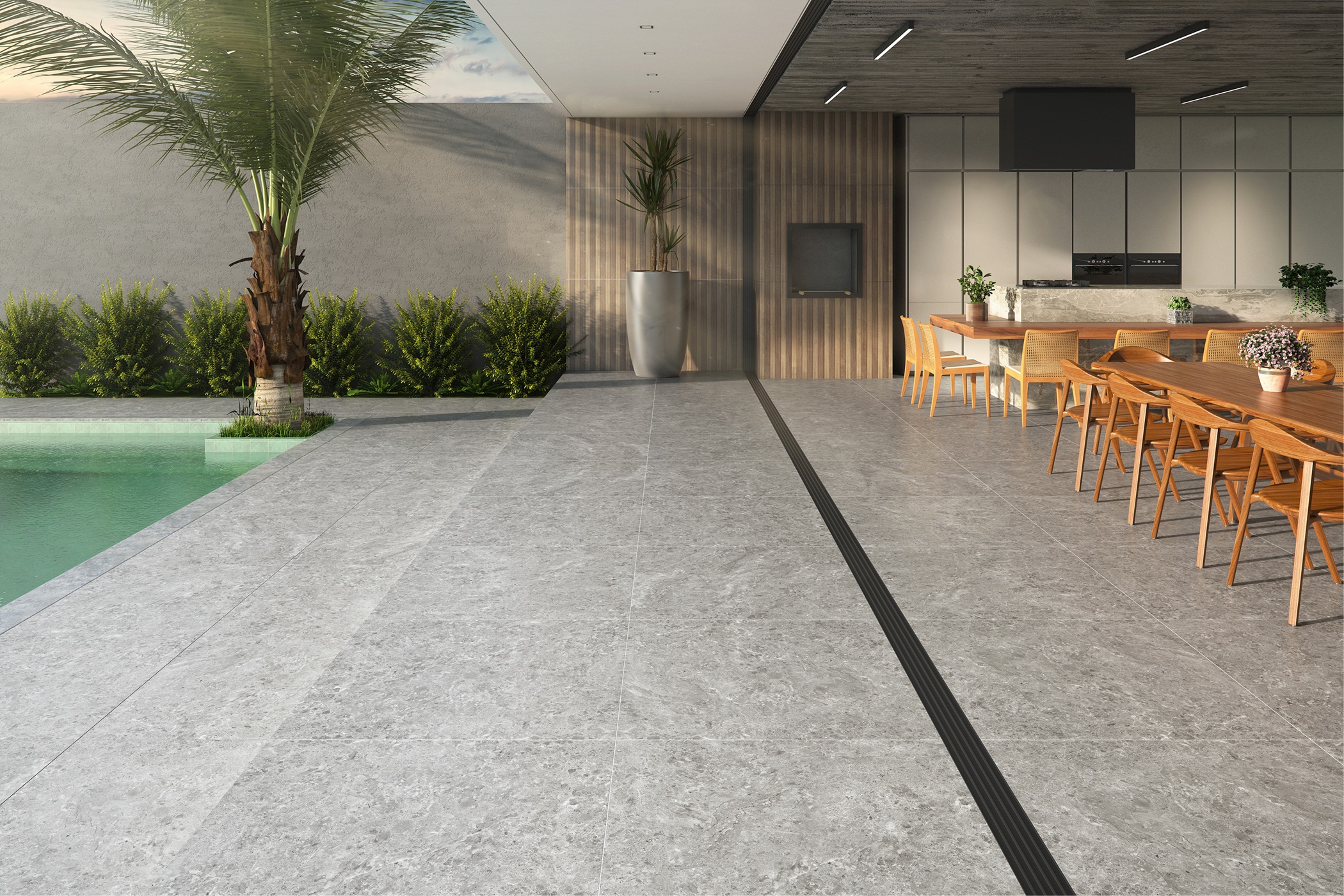




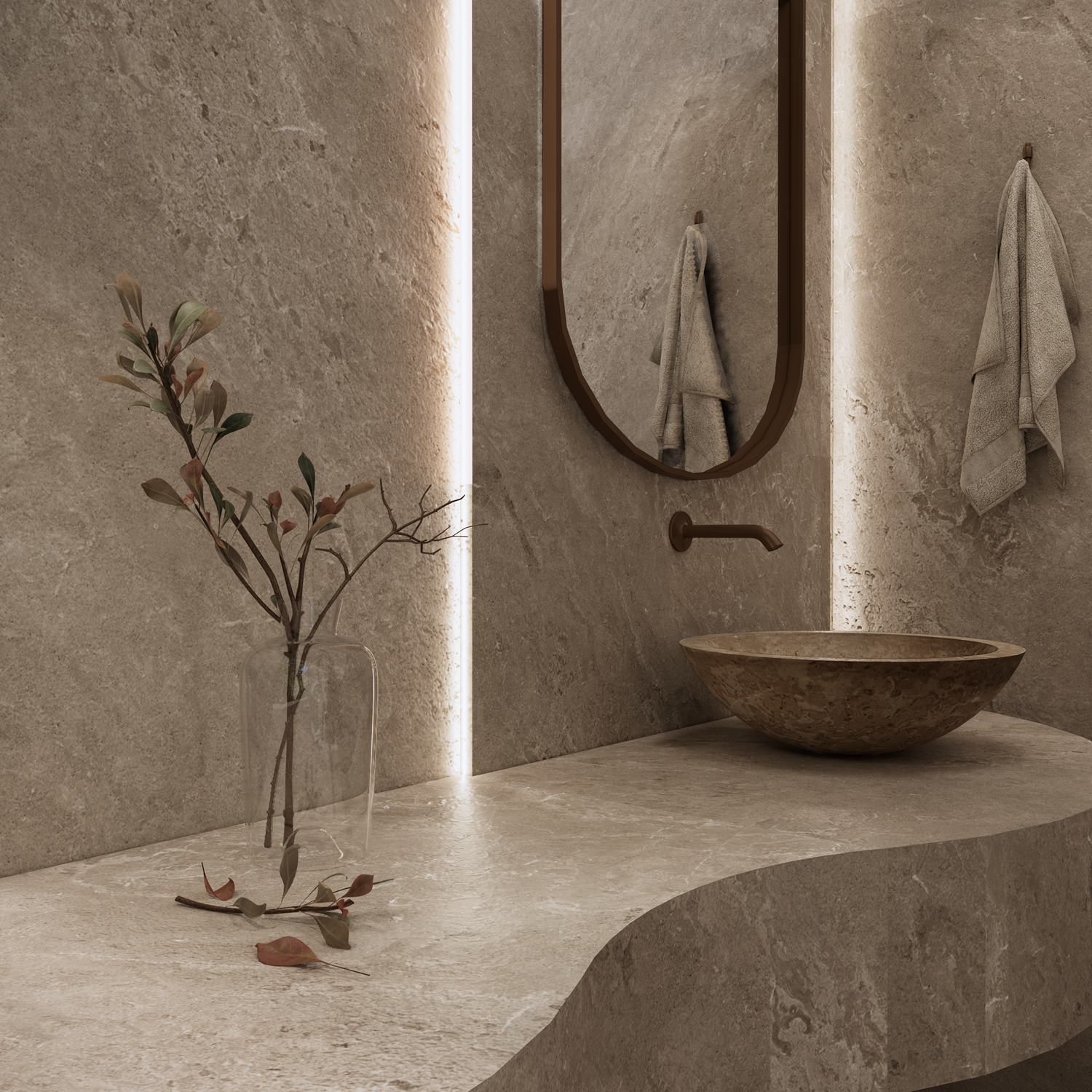
01_Lombardy Silver Coating
02_ Lombardy Silver coating
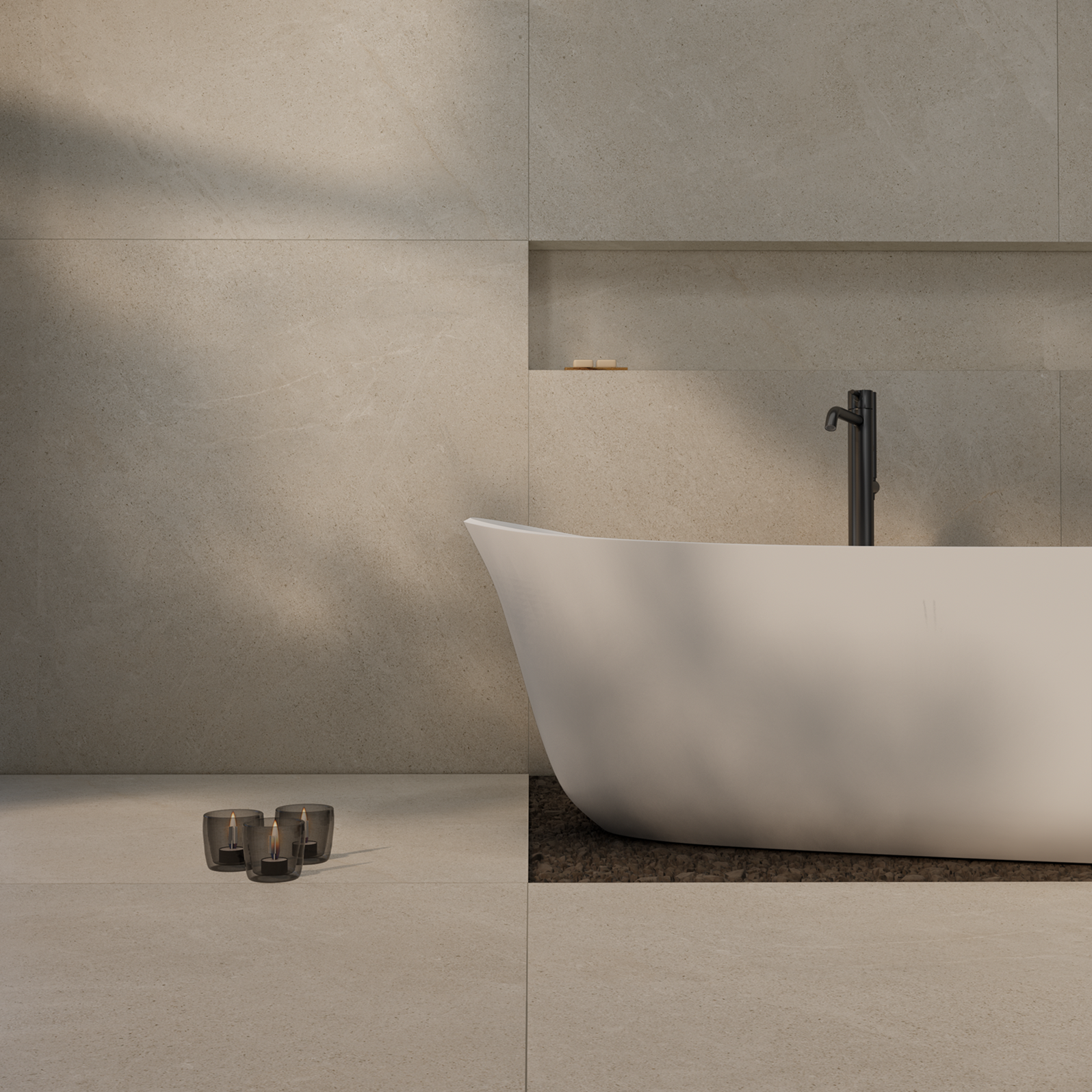
03_ Matera Avório coating
04_ Matera Avório coating
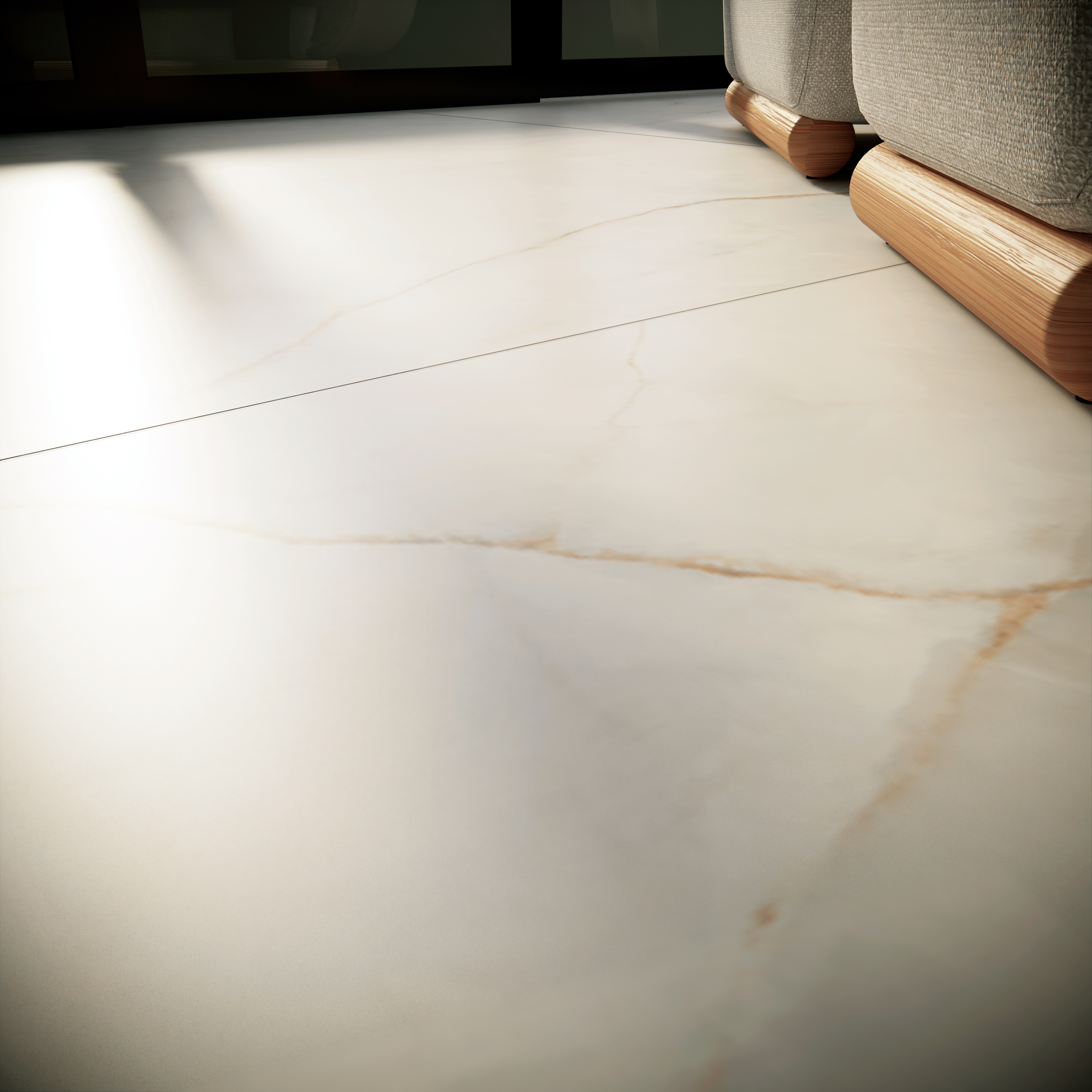
05_ Palazzo Ducale Bianco cladding
06_ Palazzo Ducale Bianco cladding
07_ Pietra di Merapi cladding
08_ Pietra di Merapi cladding

ABOUT APEX
The Brazilian Trade and Investment Promotion Agency (ApexBrasil) works to promote Brazilian products and services abroad and attract foreign investment to strategic sectors of the Brazilian economy. To achieve these goals, ApexBrasil carries out a variety of trade promotion actions aimed at promoting exports and enhancing the value of Brazilian products and services abroad, such as prospective and trade missions, business roundtables, support for the participation of Brazilian companies in major international trade fairs, visits by foreign buyers and opinion formers to get to know the Brazilian production structure, among other business platforms that also aim to strengthen the Brazil brand. The agency also works in coordination with public and private actors to attract foreign direct investment (FDI) to Brazil, with a focus on strategic sectors for developing the competitiveness of Brazilian companies and the country.
ABOUT CERAMICS OF BRAZIL
Created in 2001, the sector project of the Brazilian ceramics industry, Ceramics of Brazil, is promoted by Anfacer (National Association of Manufacturers of Ceramics for Tiles, Sanitary Ware and Congeners) in partnership with ApexBrasil (Brazilian Trade and Investment Promotion Agency). The aim is to promote Brazilian exports of ceramic tiles and sanitary ware, supporting the Brazilian ceramics industry in its efforts to enter the international market through promotion and participation in international fairs and events, commercial intelligence, among other specific actions.
More information: ceramicsofbrazil.com

